There is something controversial about memory, especially when we think of it as being synonymous with truth and honesty. Can we rely on our memories like we rely on photographs or on diary entries? In a sense, they are all we have when we look back on moments in our lives and try to outline them, this happened before that, this caused that, this occurred because of this, I am this way because I experienced that. Memories are sometimes used as explanations, or as a defence of who we are in the present moment, and yet, they are incredibly malleable. They may be torn apart and rearranged, a missing piece of a memory might come to us later on in life, complete an experience and suddenly, that experience has changed, it has a new face. They are told and retold so often that we trust ourselves to convey them honestly, but truthfully, with every retelling, there are slight changes to the narrative. We are so unreliable. Our memories are things we hold so close to us even though they may be inaccurate. And while I view memories as being somewhat dishonest, and identify myself as an unreliable narrator whenever I convey something that I remember, or think I remember, I have been drawn to memoirs for the past two years. I have read every word and believed it, I have enjoyed the intimacy that I have felt when I closed the book, and I have related to certain experiences and emotions, or have felt estranged from them, only to gain a sense of empathy.
A memoir is not a book of lies and inaccuracies, perhaps it is a collection of how we view and remember our experiences, a perspective on our past and previous selves. But then, I wonder, why is it that a memoir is something very different from a work of fiction in which a character reviews their life? They seem to perform the same actions, yet one is fictitious and one is not … interestingly, it would make more sense to trust the fictional character as their memories are the work of another’s imagination and possibly more accurate than an individual’s memory. We seem to trust our memories almost immediately, as if we have remembered everything accurately, whereas, an author may devote an enormous amount of time to building a character and their experiences, moulding and remoulding their fictitious lives until they have completed this individual in their imagination. If you stare at a memory long enough, if you play it over in your mind, you may begin to doubt it, to identify things that don’t belong there, that don’t add up to what you had originally recalled.
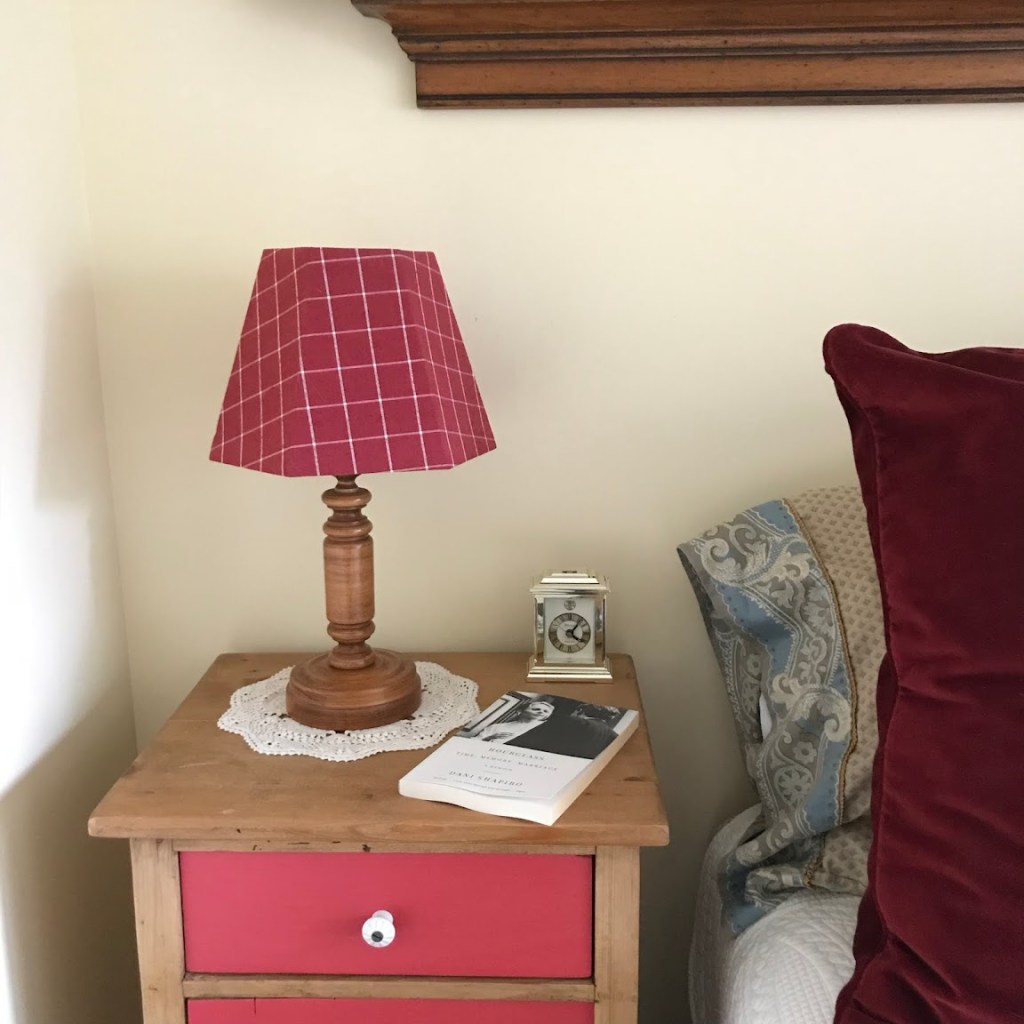
When reading Dani Shapiro’s Hourglass: Time, Memory, Marriage, I was thinking of these questions, trying to find an answer for them, wrestling with this idea of “memoir.” Then, in the final few pages of the work, Shapiro writes:
“Somewhere, a clock ticks. Sand pours through the hourglass. I am no longer interested in the stories but rather, what is underneath the stories: the soft, pulsing thing that is true. Why now? What is this insistence? All of me – the whole crowd – wants to know.” (122)
I grabbed my pencil and underlined this passage. The story and what is underneath the story, I thought. The story is the photograph, the diary entry, the letter, all dated, or easily dated, each capable of being ordered. An uncle tripping and falling into a lake after the picture is taken, the argument that explains the exclamation marks, the underlining, and the smudge marks in the journal, the tears that didn’t touch the paper and weren’t in the letter, but were in the wastebasket next to the desk: this is the pulse, what could not be recorded, or wasn’t. Those tears may not be mentioned when you tell someone that you wrote that letter, you may not even remember crying or feeling sad, but they are crucial to the letter itself and what it contains. In a way, it doesn’t matter whether or not you remember if you wrote it when you were fifteen or sixteen, but it is how you wrote it, the feelings that were dancing around the room, characterizing the entire situation, making it into a memory. It is not about timelines and order, but something that’s messy, yet wholesome.
Shapiro’s memoir does not work in order, it moves gracefully back and forth in time, sometimes jarring the reader, saying “come on now, pay attention, keep up!” From one paragraph to the next you might find a span of four years that will be filled in thirty pages later. Then you might return to a moment, review it, then you might read a quote, or the definition of a word, maybe even a journal entry. It sounds almost claustrophobic, as if you are surrounded by time and moments in such a tight space, but this is memory, is it not? What is so remarkable about Hourglass is its ability to convey moments from one’s life, whether they be fantastic, devastating, or mundane, but do so in a way that mimics the very workings and actions of a memory. The truth is that our minds are not photo albums, they are not digital cameras that record the date, time, and place where something happened, they are disorganized, the bottomless drawer that continues to collect. There are no chapter breaks in Hourglass, you move through a relationship, a marriage, a life, thoughts, and moments of the writer, and most often, of those who are closest to her. This memoir reminded me of Joan Didion’s work, it was precise, believable, scattered in the most organized of ways, and gave the reader an intimate experience without feeling intrusive. We witness the twists and the turns, the ebb and flow of one’s memory. It not only captures memories, but memory itself, building an album of snapshots from a life lived with oneself and others, gathering the stories and the pulse, the very living thing that lives underneath them.
 Sydney K Erickson
Leave a comment